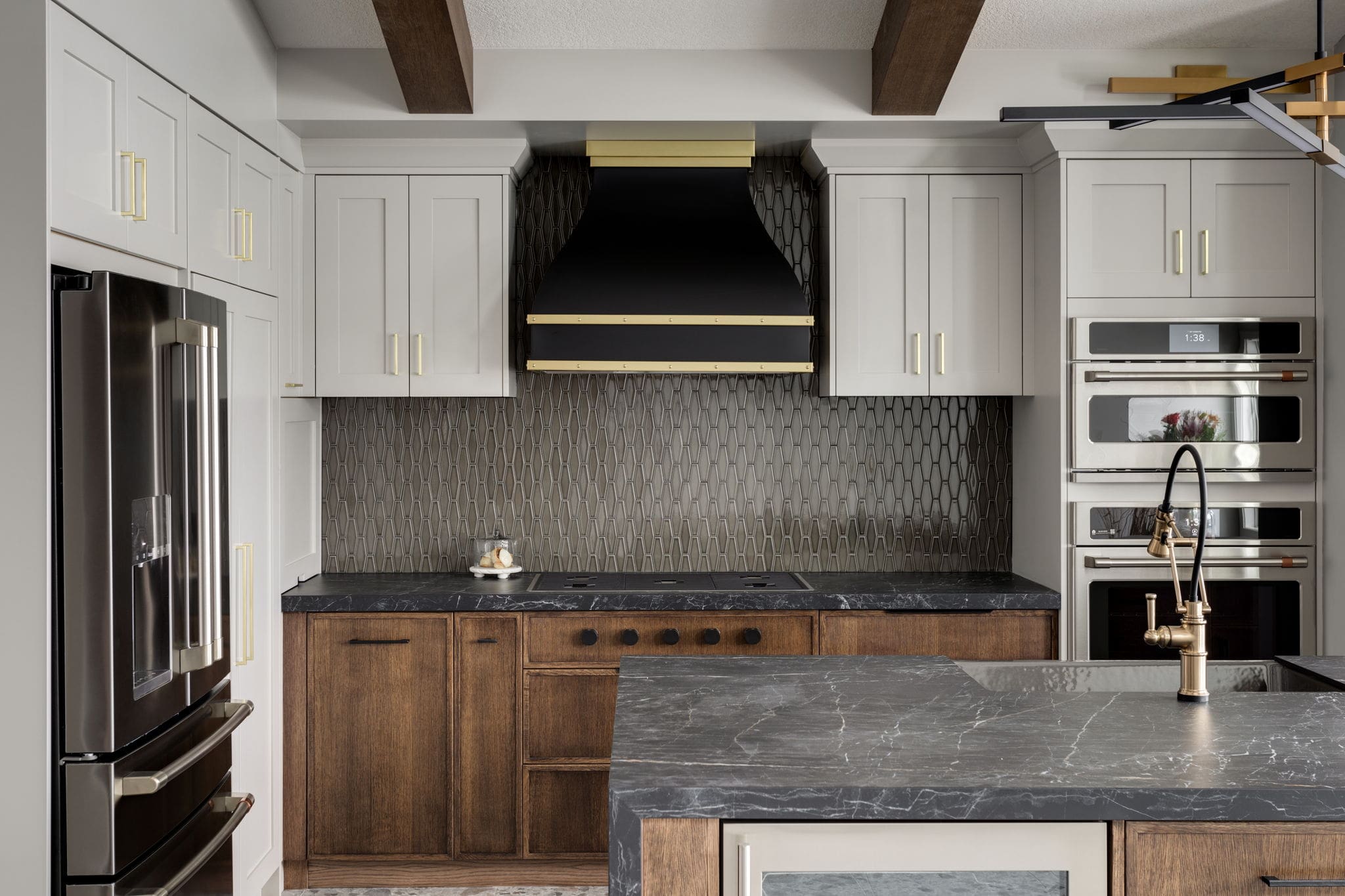
A successful home renovation begins long before the first hammer swings or the first wall is removed. For Calgary homeowners, planning a full home renovation is one of the most critical steps in ensuring the project runs smoothly, stays on budget, and delivers the desired results. Clear expectations around scope, design, and timeline provide a roadmap that guides the entire process, making the renovation experience organized, predictable, and ultimately rewarding.
Defining the Scope of Your Renovation
Before any work begins, it is essential to establish the scope of the renovation. A full home renovation can range from updating a few key spaces to completely reimagining the layout of the house. Defining the scope helps homeowners prioritize needs, understand costs, and ensure that the renovation aligns with their lifestyle.
In Calgary, many homeowners are choosing to combine updates to kitchens, bathrooms, living areas, and basements into a single, coordinated project. This approach not only improves efficiency but also ensures that all spaces feel cohesive once completed. Clearly outlining what is included—and what is not—avoids surprises and keeps the renovation focused.
Establishing Design Goals
A renovation is most successful when homeowners and the renovation team share a clear vision for the finished space. Design goals should reflect both functionality and style, taking into account how the family lives, entertains, and moves throughout the home.
For example, open-concept layouts, larger kitchen islands, spa-style bathrooms, and multifunctional living areas are popular design choices in Calgary. By communicating these goals at the outset, homeowners give the design team a solid framework to create a cohesive, beautiful, and functional home.
Setting Realistic Timelines
Timelines are a critical component of planning a renovation. Homeowners should understand the estimated duration of each phase, from demolition and construction to finishing and inspections. Establishing realistic timelines helps manage expectations and reduces stress during the renovation process.
Design-build firms, in particular, can provide comprehensive timelines because they oversee both design and construction. This integration allows for better coordination, faster decision-making, and fewer delays, ensuring that projects progress efficiently from start to finish.
Budgeting and Financial Planning
Planning a full home renovation also requires careful budgeting. Understanding costs early in the process helps homeowners make informed decisions about materials, finishes, and design features. It also provides a clear sense of how funds will be allocated across the project.
By including contingency funds for unexpected expenses, homeowners can avoid financial surprises and keep the renovation on track. Transparent communication between homeowners and the renovation team ensures that budget decisions align with priorities without compromising quality.
Coordination and Communication
Renovations involve multiple trades and contractors, including electricians, plumbers, carpenters, and designers. Planning includes coordinating these different teams to ensure that work is sequenced properly and that everyone is working toward the same goals.
Clear communication between the homeowner and the renovation team is essential. Regular updates, meetings, and check-ins allow for adjustments to be made proactively, keeping the project on schedule and aligned with the original vision.
The Benefits of Thoughtful Planning
A well-planned renovation minimizes stress and uncertainty. Homeowners know what to expect at each stage, which allows them to enjoy the transformation rather than feel overwhelmed by it. Thoughtful planning also ensures that the finished home meets both functional needs and aesthetic desires.
Calgary homeowners who invest time in planning their full home renovations often find that the process is more enjoyable, predictable, and successful. By laying a strong foundation at the start, they can move confidently through construction, knowing that every detail has been considered.
Learn More About Successful Renovations
For those looking to see how clear planning and coordination contribute to smooth, successful renovations, full project examples and insights are available at https://share.google/edTY4Y4UqlqpUJ5um.
Through clear scope definition, realistic timelines, strategic budgeting, and open communication, Calgary homeowners can transform their homes efficiently, beautifully, and confidently. Planning isn’t just the first step—it’s the cornerstone of every successful full home renovation.

